
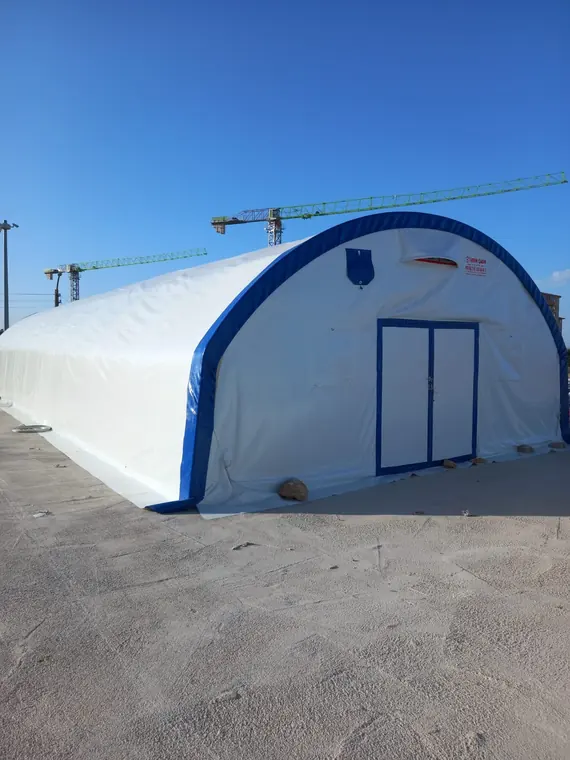
 Warehouse TentPractical, durable warehouse tent solutions
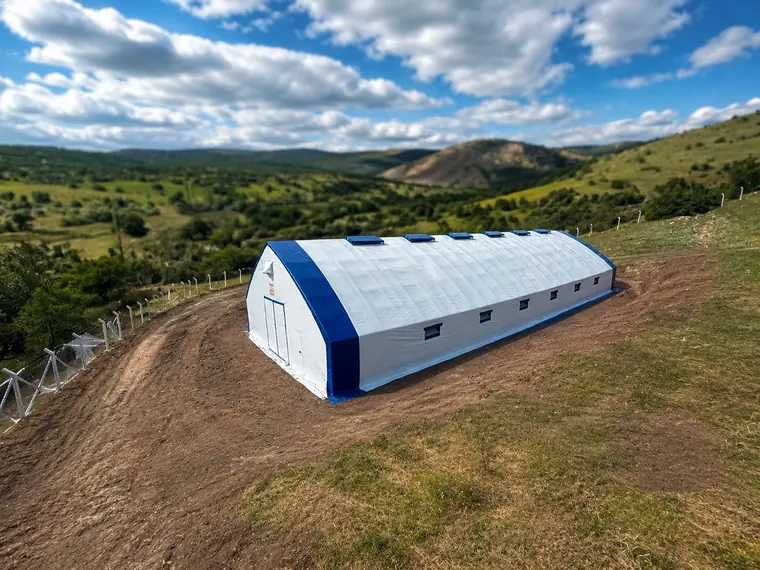 Cattle TentPractical and durable
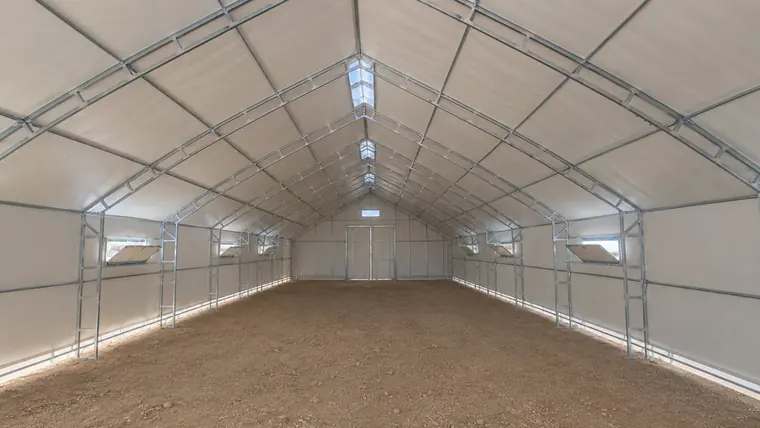 Sheep & Goat TentPractical and durable
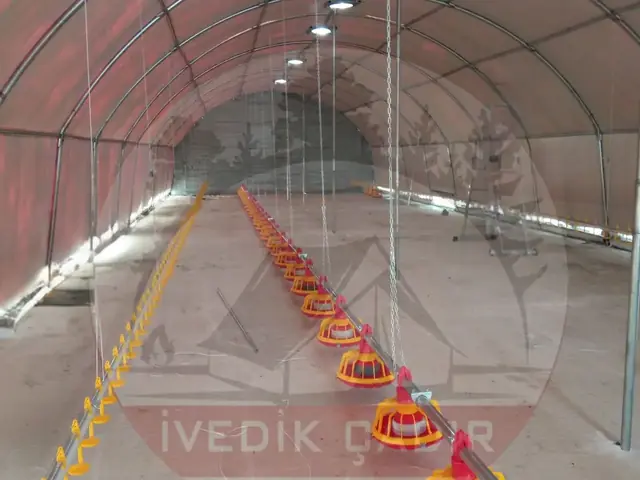 Poultry TentEconomical and durable
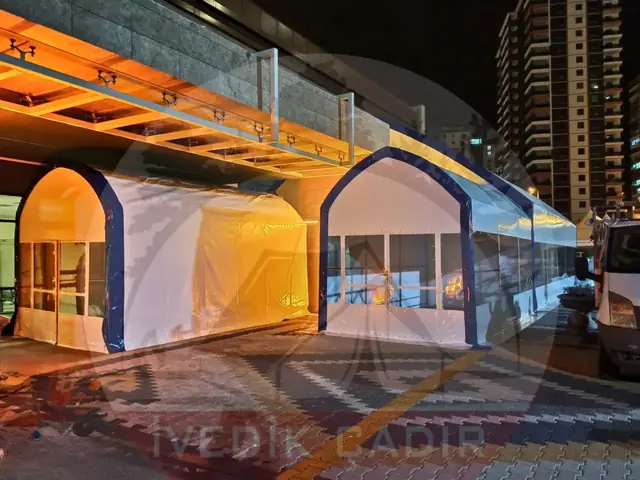 Custom-Made TentsA tailored solution for every need
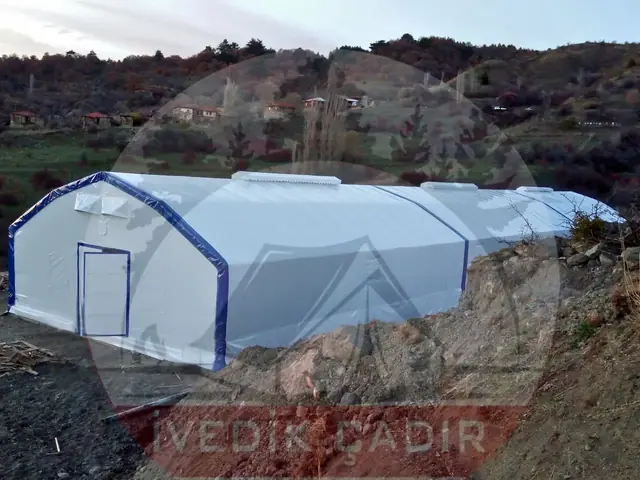 Truss TentPractical, durable solutions
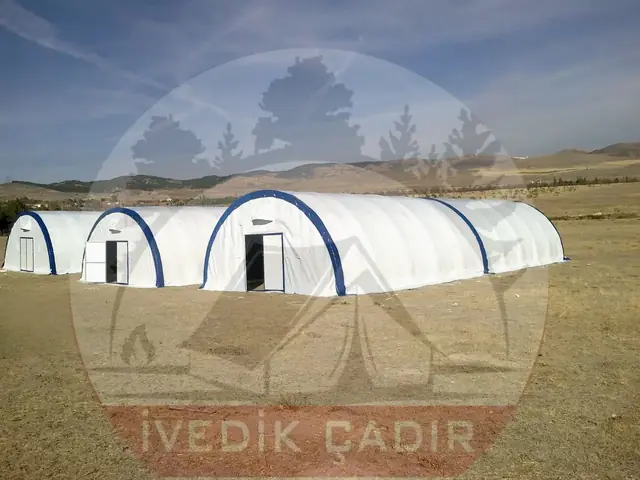 Worm & Mushroom TentsTents designed for worm and mushroom farming
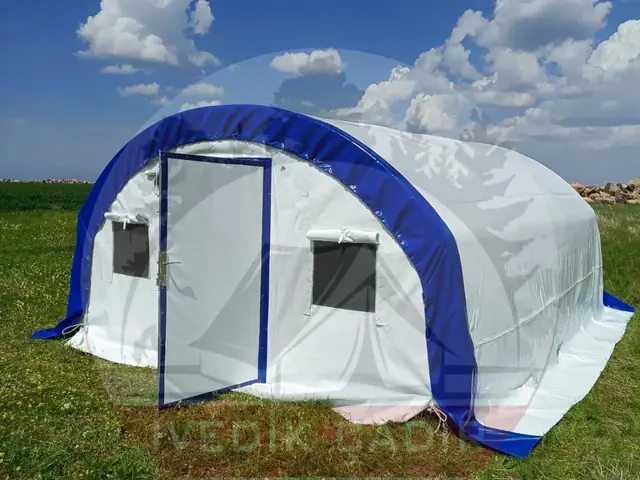 Shepherd & Beekeeper TentTents designed for shepherds and beekeepers
Choosing a site for tent installation
For a safe, comfortable installation, consider the ground, drainage, wind and sun.

A tent's location is critical for comfort and safety. Choosing the right site is one of the most important steps in installation.
1. Level, stable ground
Choose level ground whenever possible. Sloped or uneven surfaces can cause water to pool, and on uneven ground the tent's legs won't sit firmly.
2. Water flow and drainage
To prevent water from pooling in wet weather, keep the tent away from natural waterways and areas where runoff flows on sloped land.
3. Wind protection
Trees and natural features act as windbreaks. Be careful when installing under large trees, however, as falling branches can be dangerous.
4. Sun and shade
In summer, a shaded location improves comfort.
5. Natural hazards
Rocks, thorny plants or sharp edges can damage the structure; a protective ground cover reduces these risks.
6. Proximity and access
Position the tent within reasonable distance of transport and amenities.
7. Surroundings
Keeping food and waste away from the tent reduces the risk of wildlife.